Unlocking
Nutritional Wellness
An independent educational resource dedicated to explaining the core principles of nutrition, the role of diverse food groups, and the foundations of a balanced, whole-food lifestyle.
Explore ConceptsFoundational Nutritional Elements
Understanding the building blocks of food is the first step toward recognising how different components work together to support general well-being.
What Nutrients Do for the Body
Nutrients are substances found in food that the body uses for energy, growth, and maintaining its various functions. They are broadly divided into macronutrients and micronutrients, each serving distinct but complementary roles.
Macronutrients — carbohydrates, proteins, and fats — provide the energy the body needs to operate. Micronutrients, including vitamins and minerals, support enzymatic processes, immune function, and structural maintenance at a cellular level.
Carbohydrates
The primary energy source for the body. Found in grains, legumes, vegetables, and fruits, they fuel cellular activity and support brain function throughout the day.
Proteins
Essential for tissue structure and repair. Proteins are composed of amino acids, sourced from both plant-based and animal-based foods, and participate in nearly every biological process.
Fats
Dietary fats serve as concentrated energy stores, facilitate the absorption of fat-soluble vitamins, and contribute to cell membrane integrity. They are found in nuts, seeds, oils, and avocados.
Vitamins & Minerals
Micronutrients that regulate metabolic processes. Each vitamin and mineral — from vitamin C in citrus fruits to iron in leafy greens — plays a specific role in maintaining functional balance.
The Importance of Balanced Food Groups
A varied diet draws from multiple food categories, each contributing distinct nutrients that work synergistically. No single food group is sufficient on its own; the value lies in their combination.
- Vegetables — rich in fibre, vitamins, and phytonutrients supporting cellular health
- Fruits — natural sources of vitamins, antioxidants, and hydration
- Whole grains — provide complex carbohydrates, B vitamins, and dietary fibre
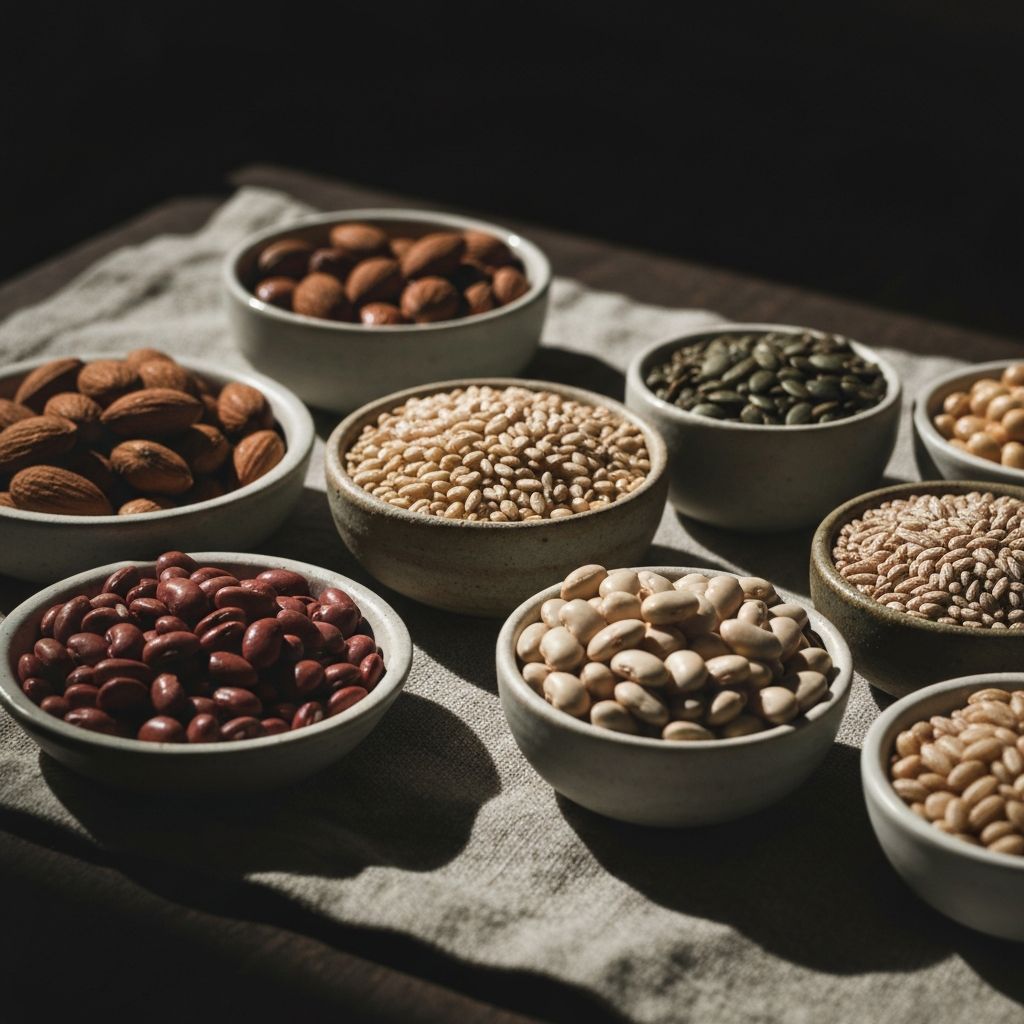
- Legumes — plant-based protein sources high in fibre and minerals
- Nuts and seeds — concentrated sources of healthy fats and trace minerals
Culinary Techniques for Nutrient Preservation
The way food is prepared has a direct bearing on the nutrients it retains. Understanding preparation methods is part of understanding food itself.
Steaming
Cooking with steam preserves water-soluble vitamins that would otherwise leach into cooking water. It maintains the natural texture and colour of vegetables while avoiding added fats.
Roasting
Dry heat roasting concentrates flavours and can enhance the bioavailability of certain compounds. It works particularly well with root vegetables and legumes, bringing out their natural sweetness.
Braising and Slow Cooking
Low, moist heat over an extended period breaks down fibrous plant material and makes minerals more accessible. This technique is especially suited to legumes, whole grains, and dense vegetables.
Raw Preparation
Consuming certain foods in their uncooked state preserves heat-sensitive vitamins and enzymes. Salads, crudités, and raw fruit retain their full complement of water-soluble nutrients when properly washed and handled.
Fermentation
Traditional fermentation processes transform raw ingredients, producing cultured foods such as yogurt, kefir, kimchi, and fermented legumes, which have been part of dietary traditions across many cultures for centuries.
Understanding Food Sources and Origins
Where food comes from shapes its nutritional profile, flavour, and environmental context. Exploring food origins connects dietary choices to broader agricultural and ecological systems.
Seasonal Produce
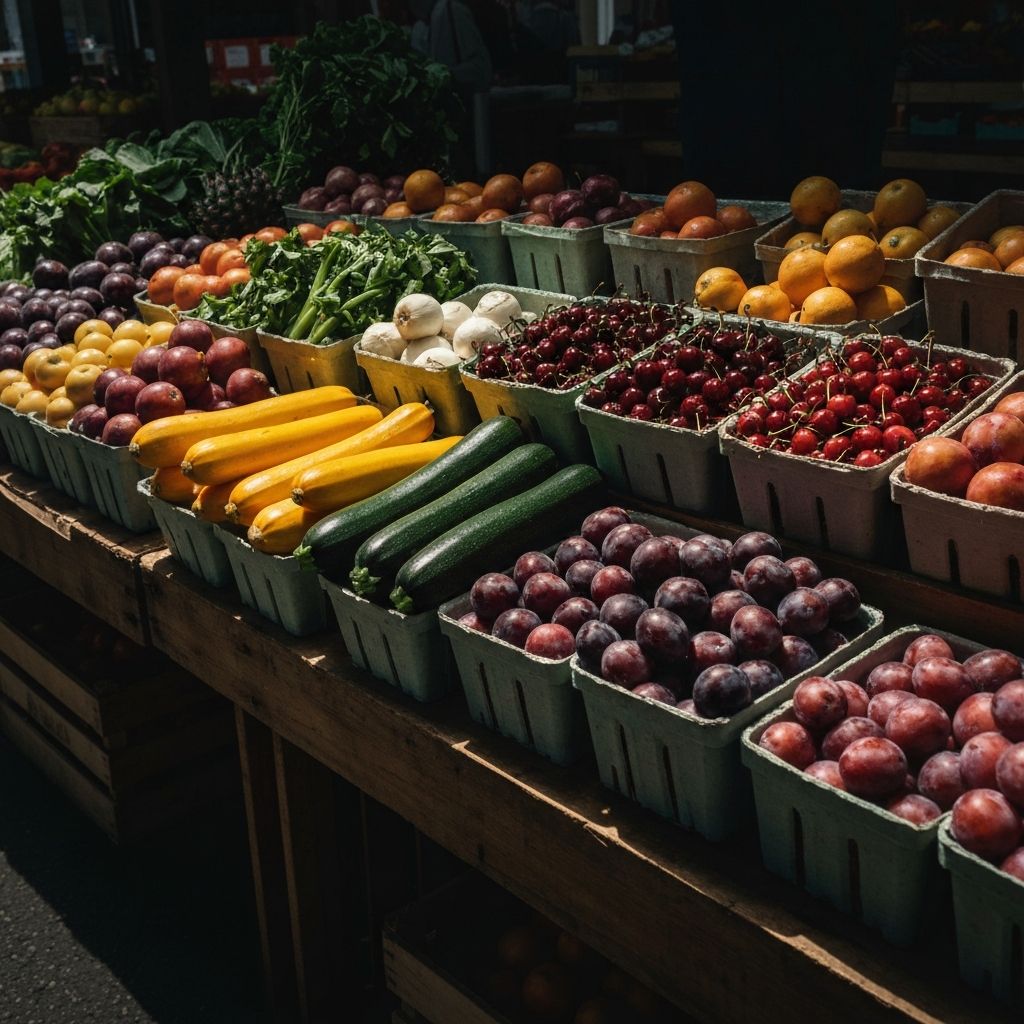
Seasonal foods are harvested at peak ripeness, which generally correlates with higher concentrations of certain vitamins and a fuller flavour profile compared to out-of-season counterparts.
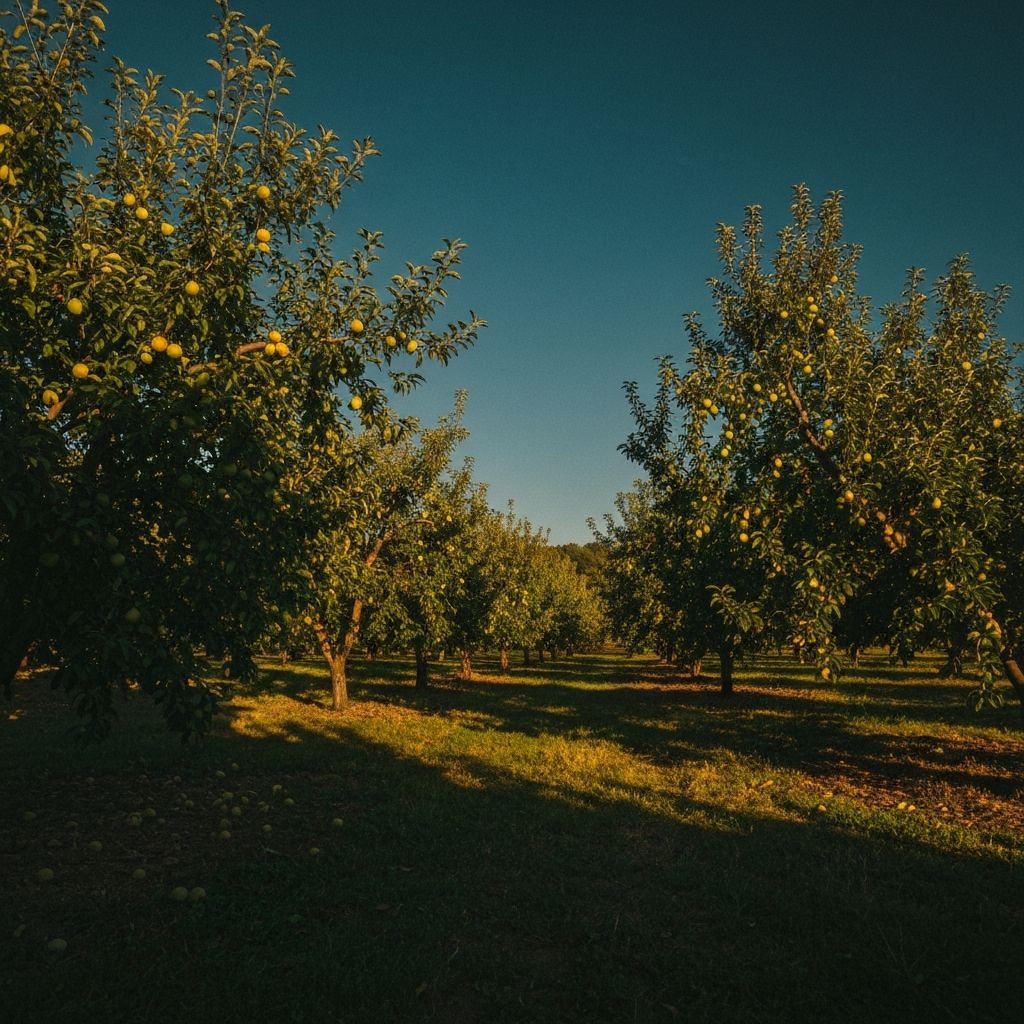
Agricultural Landscapes
Orchards, fields, and gardens are the origin points of most whole foods. Understanding agricultural cycles helps contextualise why food variety shifts throughout the year.
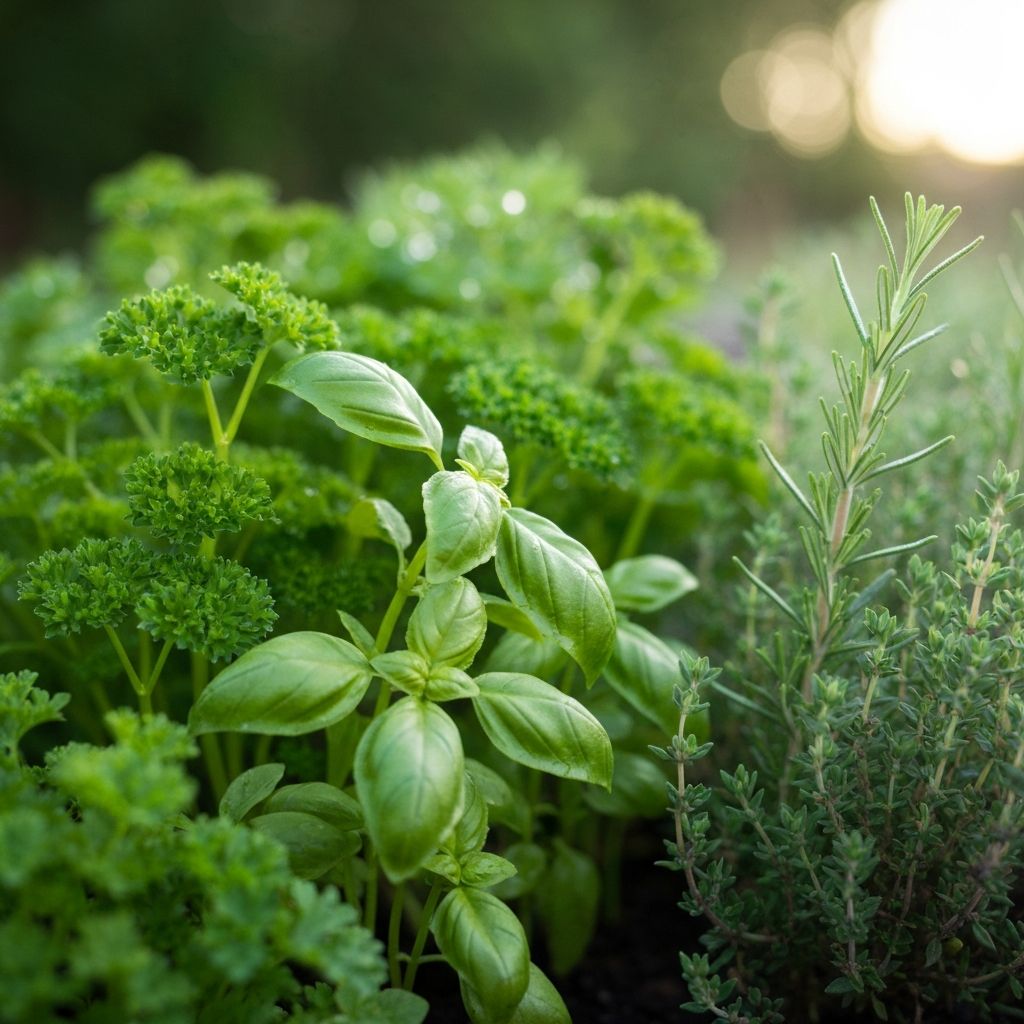
Herbs and Aromatics
Culinary herbs such as basil, parsley, and thyme have been cultivated across cultures for their flavour and the compounds they contain, making them a valuable component of diverse food traditions.
The Role of Hydration in Well-being
Water is the medium in which virtually all biochemical processes in the body take place. Adequate fluid intake supports temperature regulation, nutrient transport, and the elimination of metabolic byproducts.
"Hydration needs vary by individual, climate, physical activity, and dietary composition. Plain water, herbal infusions, and water-rich foods such as cucumbers, melons, and leafy greens all contribute to overall fluid balance."
Beyond plain water, many whole foods contain substantial water content. Fruits, vegetables, and legumes each contribute to total daily fluid intake, reinforcing the connection between a varied diet and hydration status.
Common Nutritional Misconceptions
Widespread assumptions about food are often oversimplified or lack important context. Understanding the distinction between commonly held beliefs and a more complete picture of nutritional science helps build a more accurate foundation of knowledge.
Common Assumption
All fats are harmful and should be avoided as much as possible in a balanced diet.
Contextual Understanding
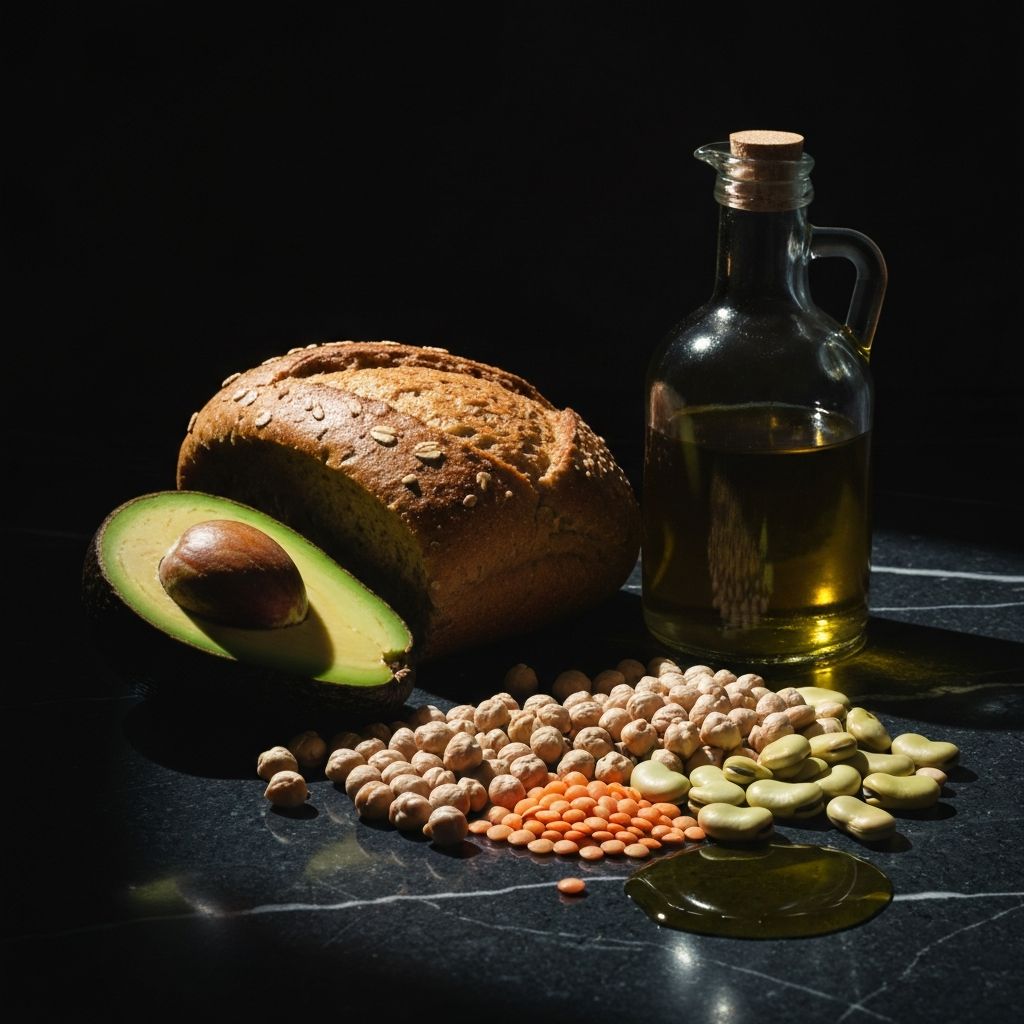
Dietary fats are essential nutrients. Unsaturated fats found in olive oil, avocados, and nuts are a normal component of varied diets across many food cultures.
Common Assumption
Fresh produce always contains more nutrients than frozen or dried alternatives.
Contextual Understanding
Freezing and drying can preserve many nutrients effectively. The nutritional content of produce depends on factors including variety, harvest timing, storage, and preparation method.
Common Assumption
Carbohydrates are inherently problematic and should be minimised in daily eating patterns.
Contextual Understanding
Carbohydrates encompass a wide range of foods including vegetables, legumes, and whole grains. They are the body's primary energy source and are found in virtually all whole-food dietary traditions globally.
Common Assumption
A single "superfood" can compensate for an otherwise unvaried diet.
Contextual Understanding
No individual food provides all essential nutrients. Nutritional balance emerges from the consistent variety of food categories consumed over time, not from any single source.
Incorporating Diversity in Your Diet
A wide spectrum of foods means exposure to a broader range of nutrients. Each food group contributes differently to the nutritional landscape of a meal, and their interaction creates a more complete nutritional profile than any single food category can provide on its own.
Cultural food traditions around the world — from Peruvian cuisine with its emphasis on native grains, legumes, and native produce, to Mediterranean and Asian dietary patterns — demonstrate that diversity is a natural outcome of engaging with regional, seasonal ingredients.
Read the Full Guide"Dietary diversity is recognised by nutritional science as a practical indicator of nutrient adequacy. A plate that incorporates multiple colours, textures, and food categories typically reflects a broader intake of vitamins, minerals, and other beneficial compounds."
Principles of Variety
- Rotate between different grain types throughout the week
- Include a range of colours across vegetables and fruits
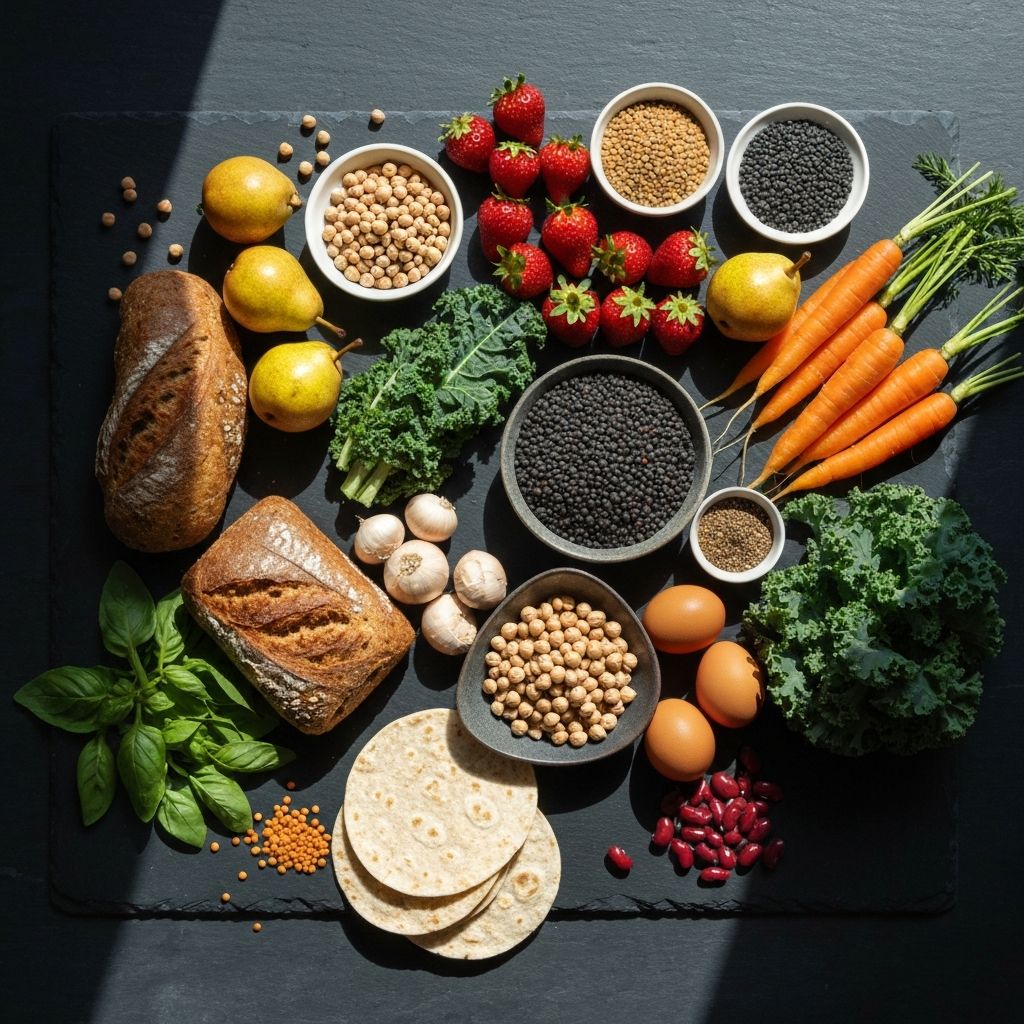
- Alternate protein sources between legumes, eggs, and animal-based foods
- Vary cooking methods to alter flavour and texture without repeating the same preparation
Glossary of Nutritional Terms
A reference guide to key terms encountered throughout this site and in nutritional science literature.
The Global Perspective on Food
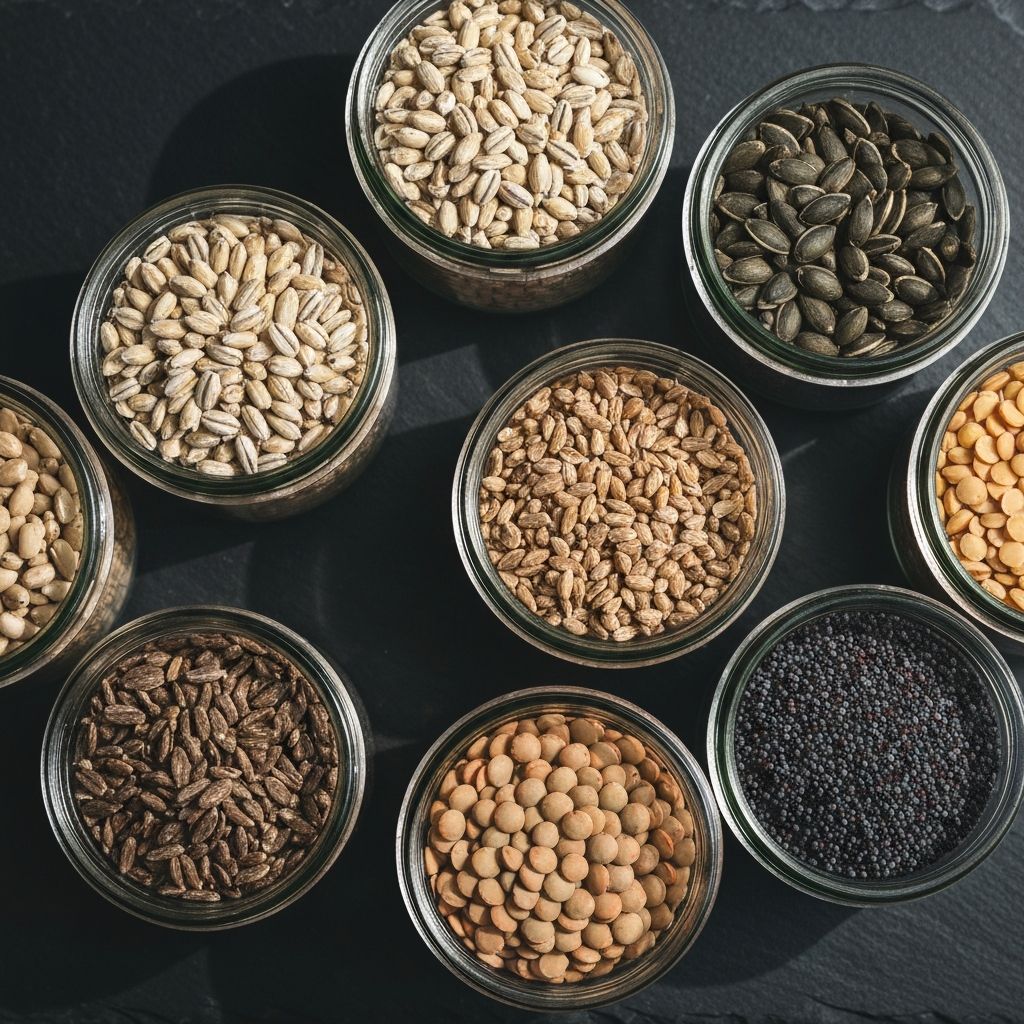
Food cultures across the world have developed over centuries, shaped by geography, climate, and available ingredients. These traditions offer diverse models for understanding how varied whole-food diets can be constructed.
Peru, in particular, holds one of the world's most biodiverse agricultural heritages, with native crops including hundreds of potato varieties, native grains such as quinoa and kiwicha, and a rich legacy of culinary practices that draw on Andean, coastal, and Amazonian food traditions.
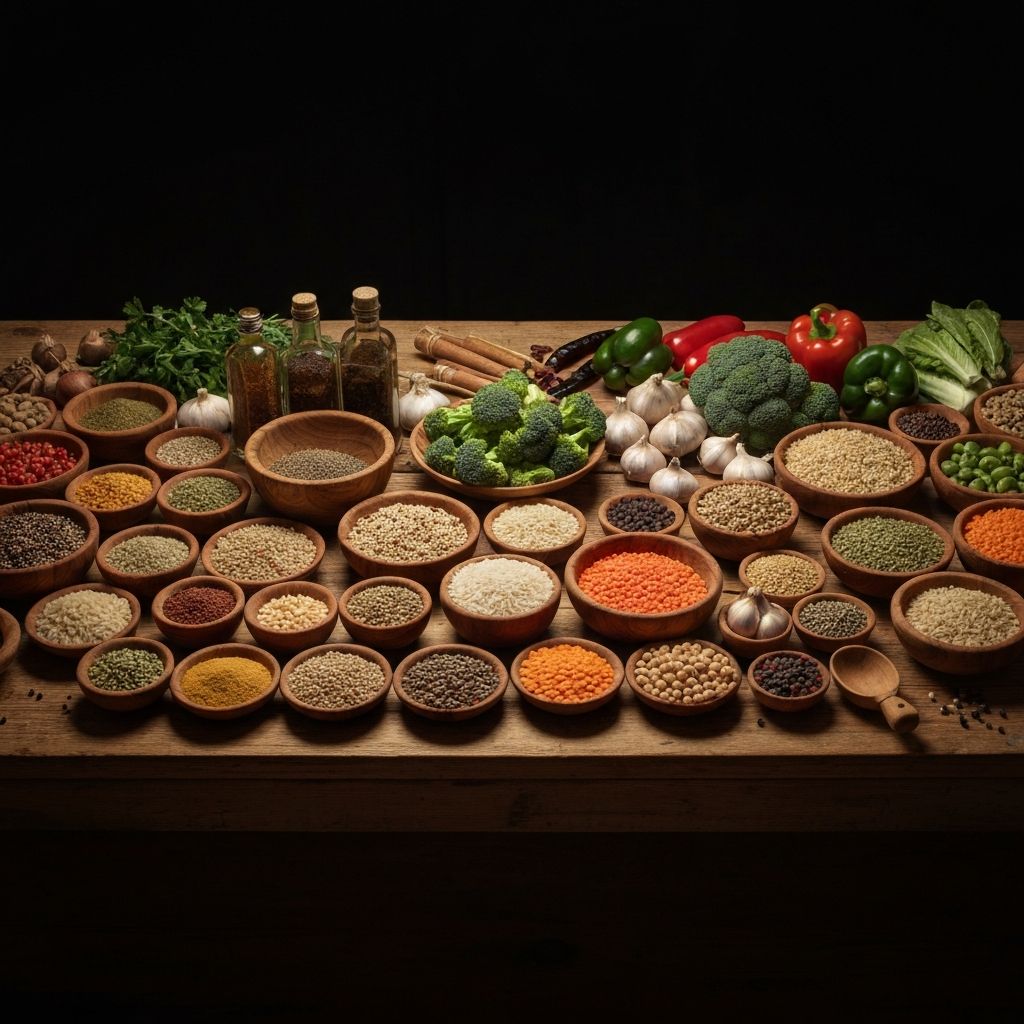
Andean Traditions
Andean cuisine centres on native tubers, legumes, and grains cultivated at altitude, representing thousands of years of agricultural knowledge.
Mediterranean Patterns
Characterised by olive oil, legumes, whole grains, vegetables, and herbs, the Mediterranean dietary pattern is among the most studied in nutritional science.
Future Trends in Food Science
Nutritional science continues to evolve as research methods advance and new areas of study emerge. Several areas are currently drawing increased interest from researchers and food systems thinkers.
The Gut Microbiome
Research into the community of microorganisms living in the digestive system has expanded understanding of how food components interact with the body beyond their direct nutritional value.
Plant-Based Food Systems
Growing interest in the nutritional profiles and preparation methods of plant-centred diets has spurred research into legume varieties, fermentation techniques, and ancient grain cultivation.
Food Biodiversity
Researchers and agricultural organisations are documenting the nutritional characteristics of underutilised crops and traditional food varieties, many of which are native to Latin America.
Fermentation Science
Traditional fermentation practices are being studied in greater scientific depth, examining the transformation of food compounds during the fermentation process across different cultural contexts.